

Technology
UFITE TELEFONE? — The Kigali Question That Made Me Rethink Uganda’s Digital Money Revolution
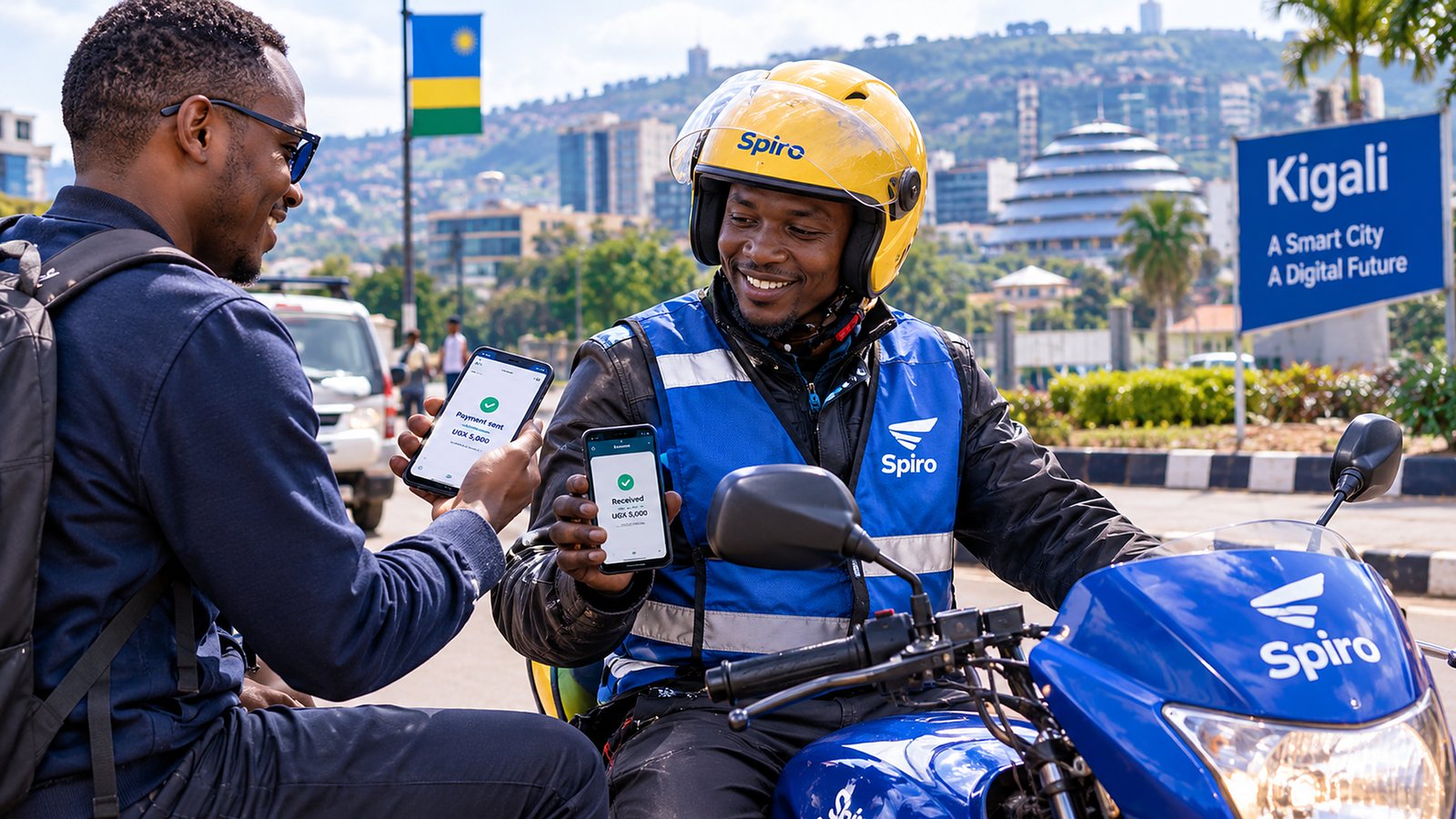
Kigali’s everyday embrace of mobile money made me reflect on why Uganda still struggles with digital-payment adoption.
There is one question I kept hearing in Kigali that stayed with me:
“Ufite telefone?”
Do you have a phone?
At first, it sounded like an ordinary question. But after hearing it
repeatedly from boda boda riders, taxi operators, small traders and other
people going about their daily businesses, I began to realise that it
represented something much bigger.
In Kigali, the phone is not just a communication device. It has become
part of everyday commerce.
You want to buy something from a small business? “Ufite telefone?”
You want to pay a boda boda rider? “Ufite telefone?”
You take a taxi and need to settle the fare? The phone can do it.
What fascinated me most was the willingness of ordinary people and small
businesses to accept digital payments. A boda boda rider can confidently use a
mobile-money payment code. A small seller is comfortable receiving money on the
phone. The customer is equally comfortable paying that way.
It made me ask myself: Why does this feel different in Uganda?
Uganda has the phones. We have mobile money. We have entrepreneurs,
businesses and fintech platforms. Yet many Ugandans are still hesitant to
receive business payments directly on their phones.
One reason is the cost of accessing that money.
I have heard business owners express concerns about withdrawal charges,
taxes and other costs associated with moving large amounts of money out of
mobile-money accounts. I was particularly struck by a conversation with a
bus-company manager who told me that their company had stopped using MoMo Pay
because of the costs involved in withdrawing large collections. He gave an
example of withdrawing about UGX 18 million, with costs reportedly
reaching around UGX 1 million.
Whether every business faces such a cost is another question, but the
perception itself matters. If a business owner believes that accepting digital
money will make accessing their money expensive, they will naturally think
twice.
But there is another layer to Uganda's mobile-money story: debt.
When you want to send money to a friend or family member, there is often
a question before you press confirm: “Which number should I use?”
Sometimes you even ask, “Should I send the money to this number?”
That question is no longer simply about making sure you have the right
person. It can be about making sure the money will actually reach them.
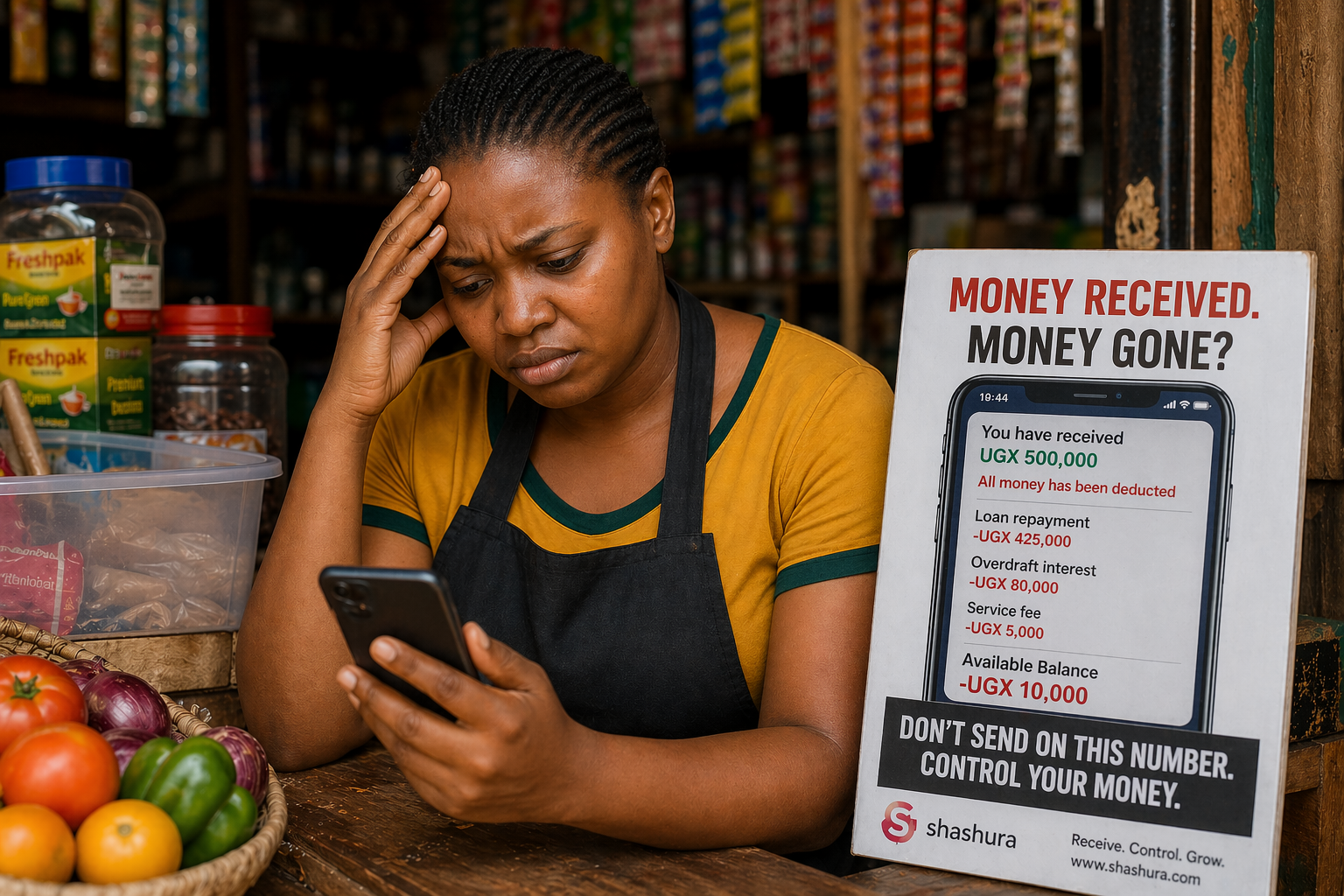
If someone's phone number is associated with a digital loan or a MoMo
Advance, they may suggest another number. Sometimes they give you the number of
a colleague, spouse or friend and ask you to send the money there.
The days when we simply confirmed the registered name and pressed send
seem to be changing. Increasingly, people confirm the number itself: “Should
I send it to this number?”
The reason is simple: many people are carrying some form of digital
financial obligation. Once money lands on a particular number, deductions can
follow.
I have experienced this kind of situation even while using boda bodas
and taxis. You may finish a journey and want to pay digitally, only for the
person to tell you, “I don't have a phone,” or that they are not
registered for mobile money. In some cases, people have multiple phone lines
precisely because of the different financial obligations attached to their
numbers.
This is an important part of Uganda's digital-money story that we
sometimes overlook. We have embraced mobile phones, but the financial lives
attached to those phones are complicated.
So while we encourage people to “go digital,” we also need to ask
whether the digital environment is sufficiently affordable and trusted for
ordinary people.
My Kigali experience reminded me that digital transformation is not
simply about technology. It is about behaviour, trust, affordability and
convenience.
The real digital revolution will not happen when only banks and large
corporations embrace digital payments.
It will happen when the boda boda rider, the market vendor, the taxi
driver and the small shop owner can confidently say:
“Yes, I accept payment on my phone.”
Perhaps Uganda does not need more technology alone.
Perhaps we need to make the technology work better for the people who
use it every day.


0 Comments
No comments yet. Be the first to comment!